-
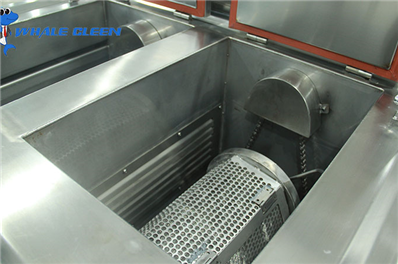 Strategies for Ensuring Long-Term Quality Assurance of Ultra-Sonic Cleaning Machines
Ultra-sonic cleaning machines play a crucial role in industrial cleaning processes, offering efficient and effective removal of contaminants from various surfaces. The term "quality assurance" refers to the ability of an ultra-sonic cleaning mac
-
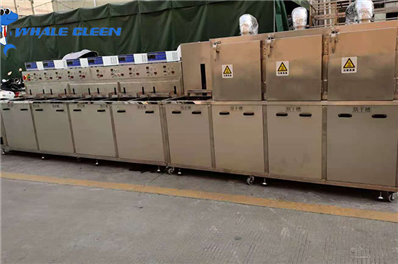 Ultrasonic Cleaning Machines: Pioneering Industry-Leading Technology for High-Standard Cleaning
In the realm of manufacturing and production, achieving high standards of cleanliness is a critical factor in ensuring product quality. Ultrasonic cleaning technology stands out as an industry-leading and highly efficient method that excels not only in re
-
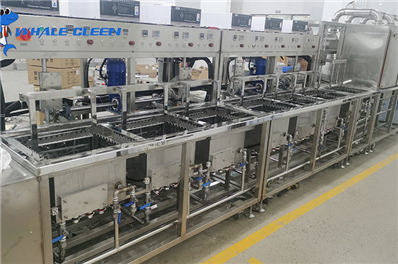 Enhancing Efficiency and Minimizing Cleaning Time in Ultrasonic Cleaning Machines
Ultrasonic cleaning machines are widely used for their ability to efficiently remove dirt and contaminants from various objects. To further optimize their performance, it is essential to explore strategies that can reduce cleaning time and improve overall
-
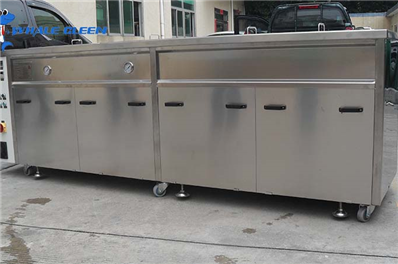 Ultrasonic Cleaning Machine for Blind Holes: How Whale Cleen Meets Strict Acceptance Standards
In precision manufacturing, the most difficult contamination is often the contamination you cannot see. Fine blind holes, narrow slots, threaded ports, and tight crevices can trap polishing dust, lapping residue, metal fines, and oil film. A part may look
-
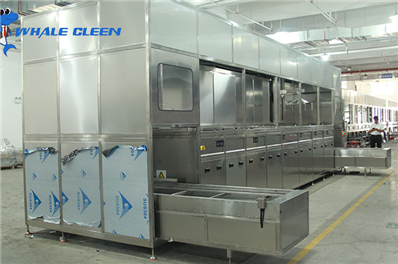 How to Choose a Fuel Injector Ultrasonic Cleaning Machine: A Practical Guide for Workshops and Engine Rebuilders
For automotive workshops, diesel service centers, and engine remanufacturing facilities, few problems are as common—and as frustrating—as clogged fuel injectors. Modern fuel injectors are precision components with microscopic spray holes (often 0.1–0.2 mm
-
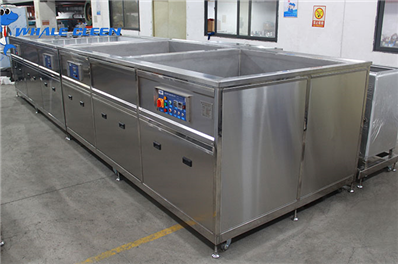 How to Choose a Fuel Injector Ultrasonic Cleaning Machine – A Practical Guide to Getting It Right
Fuel injectors are among the most precision-critical components in any modern engine. Over time, carbon deposits, varnish, and microscopic fuel residue accumulate inside the tiny orifices of the injector nozzle. These contaminants don't just reduce fu
-
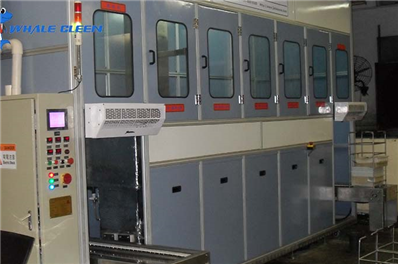 20+ Years Deep in Industrial Cleaning: Specializing in Non‑Standard Customization to Conquer the “Last Mile” of High‑Difficulty Cleaning for Thousands of Manufacturers
The “Last Mile” Problem in Industrial CleaningIn manufacturing, the last mile is often the hardest. You can have a world‑class production line, precision CNC machining, and rigorous quality control—but if a single component carries microscopic contaminati
-
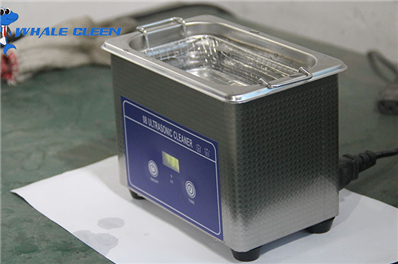 Maximizing Ultrasonic Cleaning Machine Lifespan: A Comprehensive Perspective
In the industrial landscape, the longevity of ultrasonic cleaning machines is a crucial consideration for businesses aiming to maintain operational efficiency and minimize equipment replacement costs. The lifespan of an ultrasonic cleaning machine depends
-
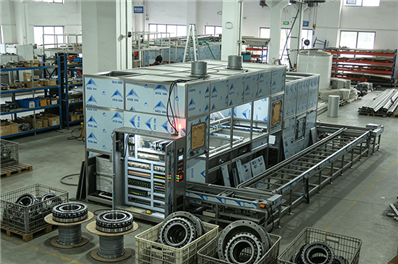 Ultrasonic Cleaning Machine: The Cost-Effective Solution for Mold Parts Cleaning
In the manufacturing industry, the cleaning of mold components—such as core pins, ejector pins, and intricate mold inserts—has long been a silent drain on production budgets. The costs are not limited to cleaning agents and labor; they extend to rejected
-
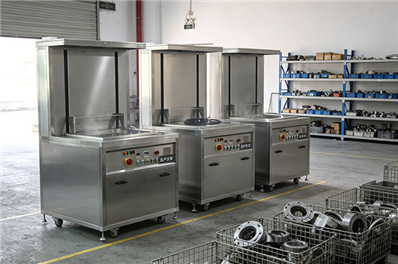 PCB Water Spots and White Residue After Cleaning? This Automated Ultrasonic Cleaner Saved Our Yield
For electronics manufacturers, few things are more frustrating than watching a batch of perfectly assembled PCBs emerge from the cleaning line covered in unsightly water spots and chalky white residues. The boards looked flawless before cleaning. Now they
-
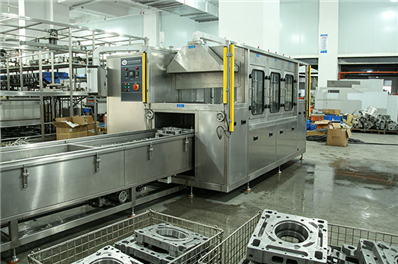 FPC Flexible Board Easily Damaged by Manual Cleaning? Finally, a Solution for High-Volume Degreasing
In electronics manufacturing, few components are as delicate—and as critical—as Flexible Printed Circuits (FPCs). Thin as paper, with trace widths often below 0.03mm, FPCs are the backbone of smartphones, wearables, tablets, and countless other compact de
-
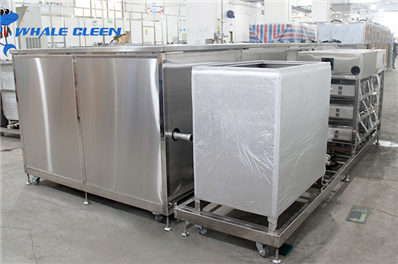 The Same Circuit Board, Different Results: Why Leading Electronics Manufacturers Are Switching to Industrial Ultrasonic Automatic Cleaning Machines
Look at the two PCBs. The first was cleaned with a manual brush and solvent dip. The second came from a fully automated ultrasonic cleaning line. To the naked eye, they look identical—solder joints shining, surfaces spotless, ready for assembly. But un